How to Cultivate a New Preaching LIfe
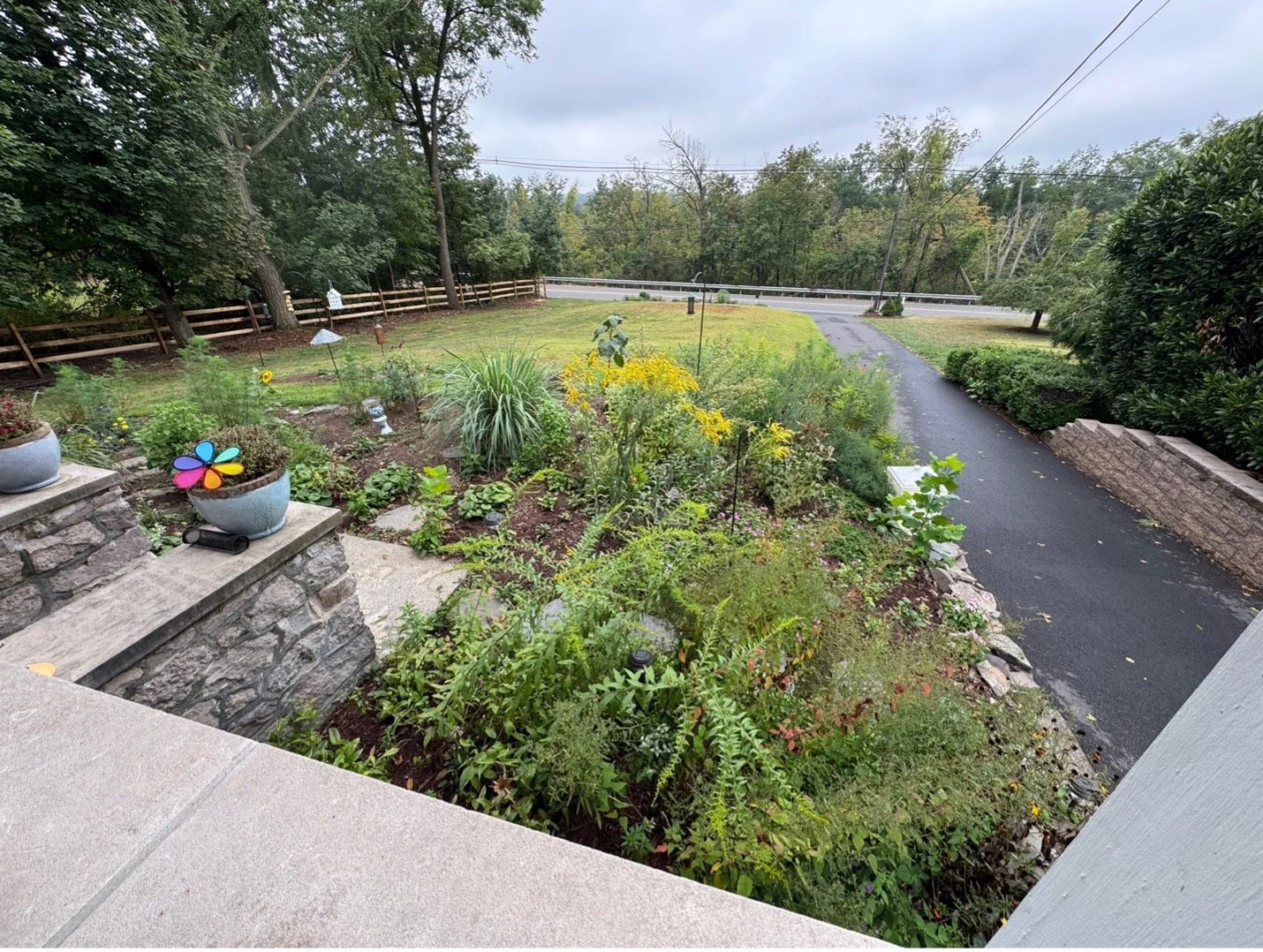
When your preaching life feels overgrown with last-minute scrambles, the tyranny of the urgent, insecurity about your sermons, or frustration that your sabbath feels ever out of reach, it may be time to pull up the old and plant something new.

How—and why—to preach Transformation in An unsafe world
Adaptive theology is uncomfortable because it doesn’t come with a blueprint, rule book, or even stick-figure assembly directions. Instead it offers a snapshot of cleared ground where the reign of God waits to be built; a rendering of the renovated halls of justice where peace keepers hold dialogues instead of guns; a silhouette of all the peoples gathered to save the planet.
On Keeping the Listeners' Attention (A Guest Post)
It’s challenging to hold our listeners’ attention when we have only limited information about them. There are several strategies that will help you engage your listener from start to finish no matter how well acquainted you are with the nuances of their day-to-day lives.

![The Invaluable Role of Writing [Your Sermon] (A Guest Post)](https://images.squarespace-cdn.com/content/v1/57cb69766a4963278cf7ed52/1682702556794-LE5ESPLYVCNUMPV27TRA/unsplash-image-AXqMy8MSSdk.jpg)
The Invaluable Role of Writing [Your Sermon] (A Guest Post)
By wrestling through your draft to the point of absolute clarity, you'll build trust with your listener. Because they'll be able to see for themselves—rather than take your word for it—how you reached the conclusion you preach. And this trust will enable them to BELIEVE the Good News you've offered because you've shown, beyond question, how that Good News appeared in the text, what it means, and how its implications matter to their lives now.

This ONE Question Will Keep Your Sermon on Message
My brother is a journalist who has written longer than I have preached. He now teaches journalism at a university. When I was getting ready to teach seminary homiletics the first time I asked him a question that plagues writers of any ilk: "How do you teach writers not to wander and stay on message?"
I thought that since he's a writing professional and educator he would tell me the "secret:" the right set of questions that any author needs to prevent verbal self-meandering.
His response?
"That's what editors are for."
Thanks a lot, Big Brother!
Per last week's post, yes, that is exactly what editors are for. But without an editor what can preachers rely on instead? A very simple question with three principles.


4 Steps to Build a “Study Hall” for Efficient, Effective, & Sacred Sermon Prep
We may not be students at the moment, but we still face deadlines, major projects, and of course, preaching happens at a certain time every week
What I’ve learned since I was an undergrad is that study halls don’t have to be inside a library, and they become a lot more meaningful when we design them to be not only productive, but sacred.

The Power of Approaching the Text with a Beginner’s Mind
There is power in approaching the text as a beginner because we experience the Good News, and then we share it with others so they experience the Good News! We can help our congregations experience this power, too.

Preaching Change? Remind us who we are
Perhaps there is no greater reason we fear changing our minds than this one: it causes us to question our character, the very definition we have of our “selves.” When we suggest during a sermon that change is needed, the listener hears that that they are not as good as they see themselves. Whether we intend it or not, they hear that we as the preacher—and by extension, God—see their character as lacking. How do we preach change without suggesting a character assassination?